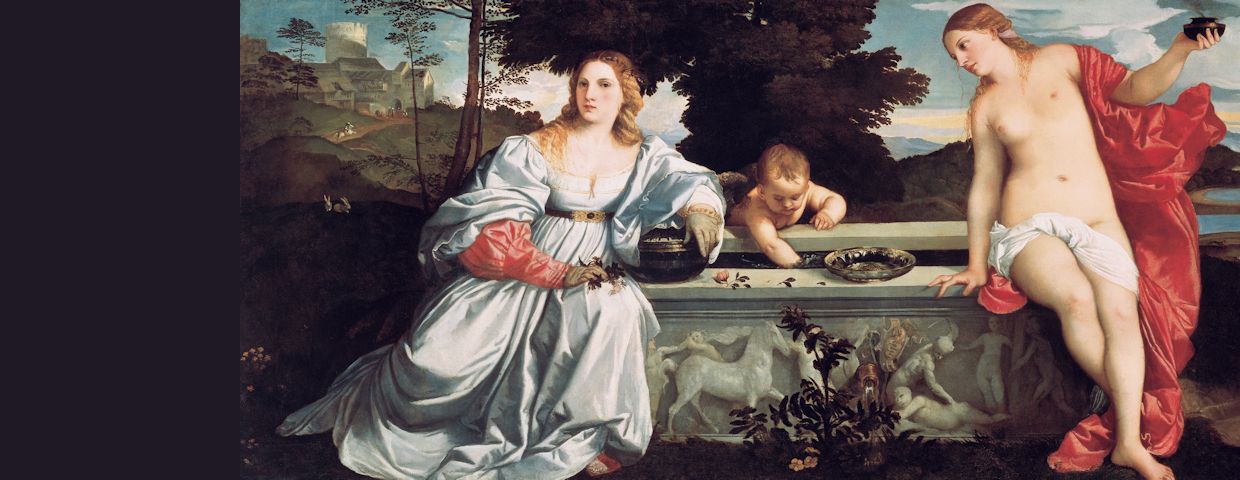
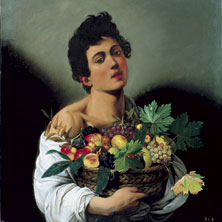
The museum, housed in the splendid setting of Villa Borghese in Rome, preserves ancient sculptures, bas-reliefs, and mosaics, as well as paintings and sculptures from the 15th to the 18th centuries. The collection, initially assembled by Cardinal Scipione Borghese in the early 17th century, includes masterpieces by Antonello da Messina, Giovanni Bellini, Raphael, Titian, Correggio, Caravaggio, and splendid sculptures by Gian Lorenzo Bernini and Canova. The most important core of sculptures and paintings in the Galleria Borghese dates back to the collection of Cardinal Scipione (1579-1633), son of Ortensia Borghese, sister of Pope Paul V, and Francesco Caffarelli, but the events of the following three centuries, including losses and acquisitions, have left their mark. Cardinal Scipione's attention was focused on all expressions of ancient, Renaissance, and contemporary art, capable of evoking a new golden age. Not particularly interested in medieval art, he passionately sought out ancient sculpture. But the cardinal's ambition favored the creation of new sculptures and, above all, marble groups that could be compared with ancient works.
The portrait of Paolina Bonaparte Borghese, painted by Canova between 1805 and 1808, has been in the Villa since 1838. In 1807, Camillo Borghese sold Napoleon 154 statues, 160 busts, 170 bas-reliefs, 30 columns, and various vases, which make up the Borghese collection at the Louvre. However, by the third decade of the 19th century, the serious gaps seemed to have been filled with new materials from recent archaeological excavations and works recovered from cellars and various other Borghese residences. The cardinal's nephew's collection of paintings was remarkable and was poetically described by Scipione Francucci as early as 1613. In 1607, the Pope had assigned Scipione 107 paintings confiscated from the painter Giuseppe Cesari, known as Cavalier d'Arpino. The following year, Raphael's Deposition was secretly removed from the Baglioni Chapel in the church of St. Francis in Perugia and transported to Rome, where it was assigned to Cardinal Scipione by papal decree. In 1682, part of Olimpia Aldobrandini's inheritance, which included works from the collections of Cardinal Salviati and Lucrezia d'Este, was added to the Borghese collection. In 1827, Camillo Borghese purchased Correggio's important Danae in Paris.
Info groups:
Groups accompanied by their own guide are admitted every day, for a maximum of 4 groups per tour. Groups can consist of a minimum of 7 and a maximum of 15 people, in addition to the guide and children under the age of 15, and the use of earphones is mandatory. The use of earphones is also mandatory for guided tours with 5 or 6 participants.
School groups are allowed up to a maximum of 25 students, in addition to any guides and accompanying teachers.
To book a group visit, call 06.32810 or send an email to
info@tosc.it.
External Link
Sito Ufficiale Galleria e Museo Borghese