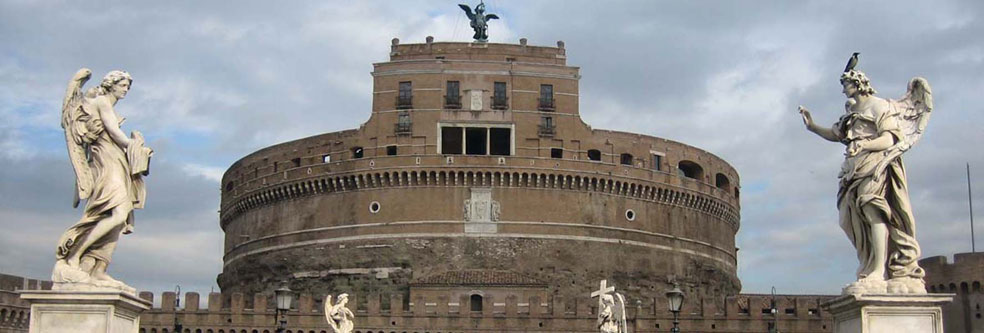
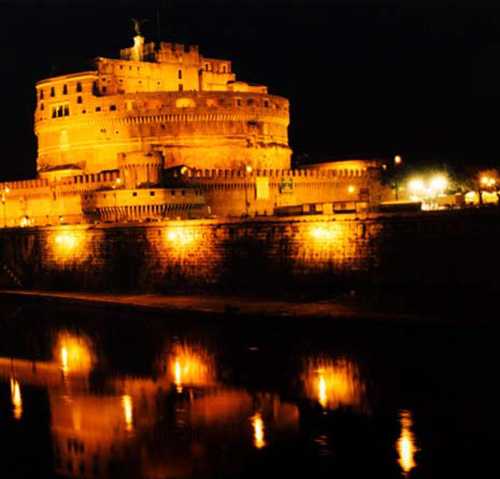
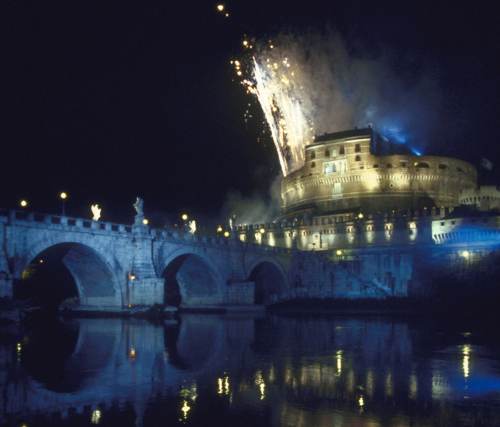
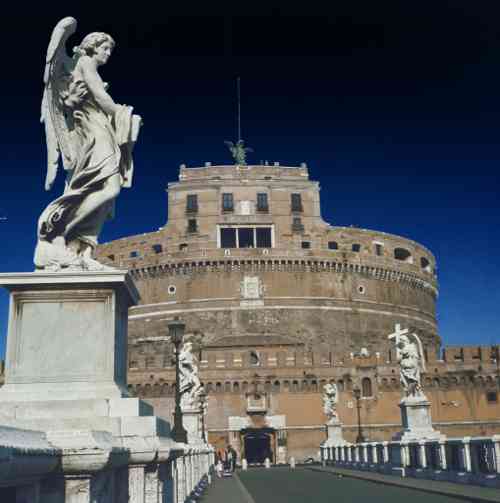
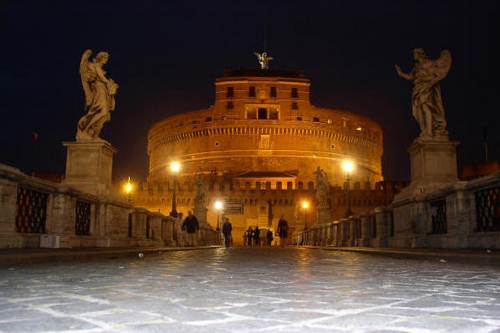
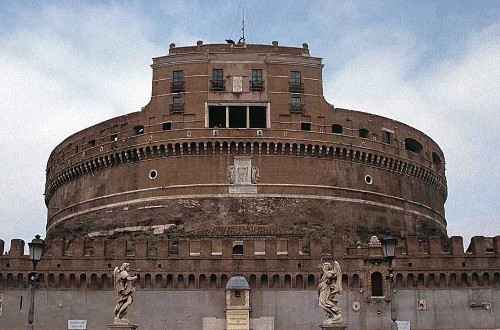
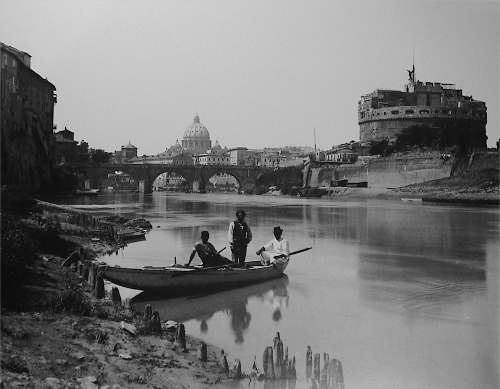
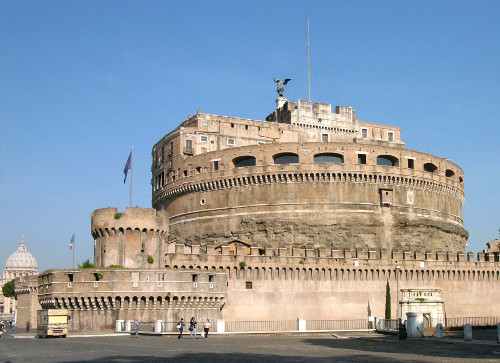
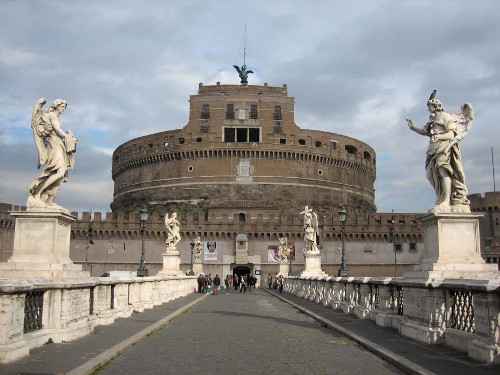
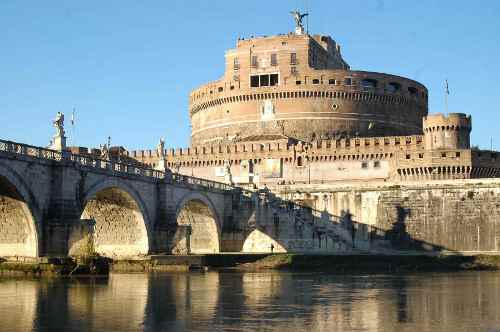
Fortress, prison and archeologic location, but also papal residence rich of valuable art happenings, the Museo Nazionale of Castel Sant’Angelo reflects the numerous uses of its abode and can be considered in the same time as a monument, and archeologic area and a museum. The last meaning exists because of the heterogeneous collections hosted until today.
Castel Sant’Angelo in 1870 was a militar prison and barracks. In 1886, a first request of making of it a museum was moved forward, but without success. The building of Lungotevere entailed numerous excavatings inside and outside the museum, from which came out varied headstone evidences and old weapons, that let the first antiquarium rise. Even if the most part of spaces were still destined to troops, in 1901 the monument became accessible: in the galleries Sale di Clemente VIII e della Giustizia, photographic and storic materials and a small collection of weapons were exposed, but also coins and ceramics found near the castle.
When (1907) a collection of ancient sculptures was acquired by the Museo Nazionale Romano delle Terme di Diocleziano, in Castel Sant’Angelo the Museo Storico del Genio Militare has already been inaugurated. Its creation was officialised only in 1911, for the event Esposizione Universale, when the exhibition Mostra d’Arte Retrospettiva used internal and external spaces for envinromental projects. Considering the success of that event, a Museo della Scultura e delle Arti Minori was also built without the art pieces, which had still to come in 1926. In 1916, Mario Menotti offers a collection of ancient paintings and fornitures destined to decorate the Sala di Amore e Psiche, like a papal beedroom of Reinassance. In 1928, Contini Bonacossi offered another donation to the museum, which decorated with it the papal apartments of Museo Nazionale di Castel Sant’Angelo.
The birth and the imprinting of the museum were developed by the general Mariano Borgatti, the first director of the castle. From the military management he took over and over the second weapons collection (today, the most part is in safekeeping) and an another heirloom collection (the most part transfered to Vittoriano). The military imprint was kept by the museum until the seventy’s, moment in which different museums organizations began to rise up. The art gallery was organized chronologically; the ceramic collection took place in Sala della Giustizia and in Cagliostra (XV-XVIII secolo), instead the medieval and modern sculptures were positioned in Sala delle Colonne and in the older galleries.